Indoor Plant Care: How to Properly Fertilize Begonias for Abundant Blooming
Experts share guidelines on caring for indoor begonias, including tips on selecting the right fertilizers based on the plant's growth stage.
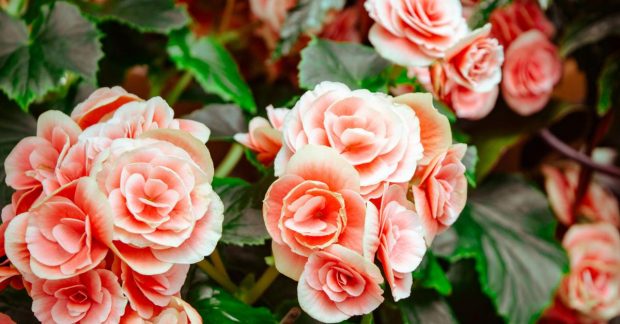 🎓Education
Photo: UNIAN
Key points
- Begonias need regular fertilizing due to limited pot soil capacity.
- Nutrient composition shifts from balanced mixes to phosphorus-potassium formulas during blooming.
- Fertilizers should always be applied to pre-moistened soil to protect plant roots.
Indoor begonias are popular among plant enthusiasts due to their bright and attractive blossoms. However, because of the limited soil volume in pots, nutrients deplete quickly, requiring regular fertilizing to maintain plant health and vitality.
Choosing the Right Fertilizer Based on Growth Stages
Experts note that there is no universal fertilizing formula, as the plant's needs change over time. In spring, when foliage begins to grow after the winter dormancy period, balanced formulas containing equal parts of nitrogen, phosphorus, and potassium are recommended. This helps the plant develop its root system, leaves, and future buds evenly.
Once flowering begins, the fertilizing approach shifts. Nitrogen is removed from the mix because it promotes green foliage growth instead of flower buds. At this stage, the focus shifts to phosphorus and potassium. Furthermore, specialists recommend using liquid fertilizers rather than dry ones for indoor plants, as roots absorb them almost immediately.
Schedule and Methods for Applying Nutrients
Generally, it is recommended to fertilize begonias every 10 to 14 days until flowering ends. For exceptionally lush blooms, feeding can be done weekly, provided the concentration is diluted four times more than the manufacturer recommends to prevent root burn. An essential rule is to apply fertilizer only to moist soil after watering the pot with plain water first.
«Fertilizer must always be applied to moist soil, meaning the pot is first watered with regular clean water», — plant care specialists note.
Organic alternatives such as bone meal, seaweed extract, wood ash, or compost can also be used. Once the flowers fade and the begonia enters its dormancy period, all fertilizing is stopped until the next blooming cycle begins.
Source UNIAN — unian.ua/lite/advice/chem-podkormit-begoniyu-dlya-cveteniya-polezno… ↗
Read next
 💼Economy
Taxes During Shutdown: Experts Discuss ArcelorMittal Support and Economic Impact
The halt of Ukraine's largest steel mill due to security risks raises questions about reviewing tax pressure on idle enterprises.
 🧠AI Analysis
Meteorological trends: what weather Ternopil residents should expect in early winter 2026
According to preliminary forecasts by climatologists, December 2026 in Ukraine will be warmer than the climatic norm, although temporary cold snaps and precipitation are …
 👥Society
The smallest owl in Ukraine, the Eurasian pygmy owl, spotted in the Chornobyl Reserve
Researchers in the Chornobyl Reserve have recorded the Eurasian pygmy owl, the smallest owl species in Ukraine weighing up to 80 grams. This boreal bird is known for its …
 🛡️Security
Technological Dead End: Why Russia is Exhausting Its Soviet Military Aviation Resource
Russia's military-industrial complex is unable to fully restore strategic bombers and combat aircraft due to the loss of Soviet technologies.
 💼Economy
Currency Market at the Start of the Week: Dollar and Euro Exchange Rates Decline in Ukraine
At the beginning of the week, Ukraine's currency market shows a strengthening of the hryvnia. Both official and commercial exchange rates for the US dollar and the euro h…
 🩺Health
What Milk to Choose for Coffee: Cardiologist Names the Best and Worst Options for Heart Health
A prominent cardiologist has analyzed how various plant-based milks affect cardiovascular health, warning consumers about hidden sugars in popular coffee options.