Poland Plans to Restrict Social Media Access for Children Under 15: What It Means for Families
The Polish Ministries of Education and Digitalization have prepared a draft law setting the minimum age for social media use at 15.
 🧠AI Analysis
Photo: Ukrainska Pravda
Key points
- Polish ministries drafted a law restricting social media access for children under 15
- Secure state apps would handle age verification without storing personal data
- Greece and the European Commission are also advancing strict child-protection measures
The issue of minors' digital safety is gaining momentum across the European Union as governments seek to curb the negative impacts of online platforms. In Poland, the Ministry of Education and the Ministry of Digitalization have jointly drafted legislation to establish a minimum age requirement for accessing social networks. Under the proposed rules, only individuals aged 15 and older would be allowed to use these services, supported by effective age-verification methods.
Prioritizing Child Safety Over Corporate Profits
Polish Education Minister Barbara Nowacka criticized tech companies for putting financial interests ahead of children's well-being. She argued that the European Commission's proposed three-year timeline is far too slow, emphasizing that minors need protection immediately. While Warsaw views 2028 as an optimal target for full implementation, officials urge platforms to adopt changes much sooner.
To verify user ages securely, Poland plans to utilize established digital tools like the mObywatel application. Officials stressed that the verification process would only confirm whether a user meets the age requirement, without storing personal data, documents, or photographs, thereby safeguarding user privacy.
Broader European Implications and Local Context
Poland joins a growing movement within the European Union to regulate children's online access. Greece recently announced a ban on social media for those under 15 starting in 2027, while the European Commission has introduced the Kids Act proposing a threshold of 13 years. For communities in Ternopil and across Ukraine, these developments highlight broader European regulatory trends that could eventually influence domestic digital policies amid ongoing integration processes.
As European nations move toward stricter oversight of tech giants, parents everywhere are encouraged to reconsider screen-time management and digital hygiene. The potential implementation of robust age-verification systems in neighboring countries may set a legal precedent influencing online safety standards across the wider region.
Source Ukrainska Pravda — pravda.com.ua/news/2026/11/23/8064162/ ↗
Read next
 🇺🇦Ukraine
US Congress Shift: What Democratic Victories Mean for Ukraine
Democrats gaining control of both chambers of the US Congress strengthens legislative oversight over foreign policy but does not guarantee automatic funding increases.
 🚨Events
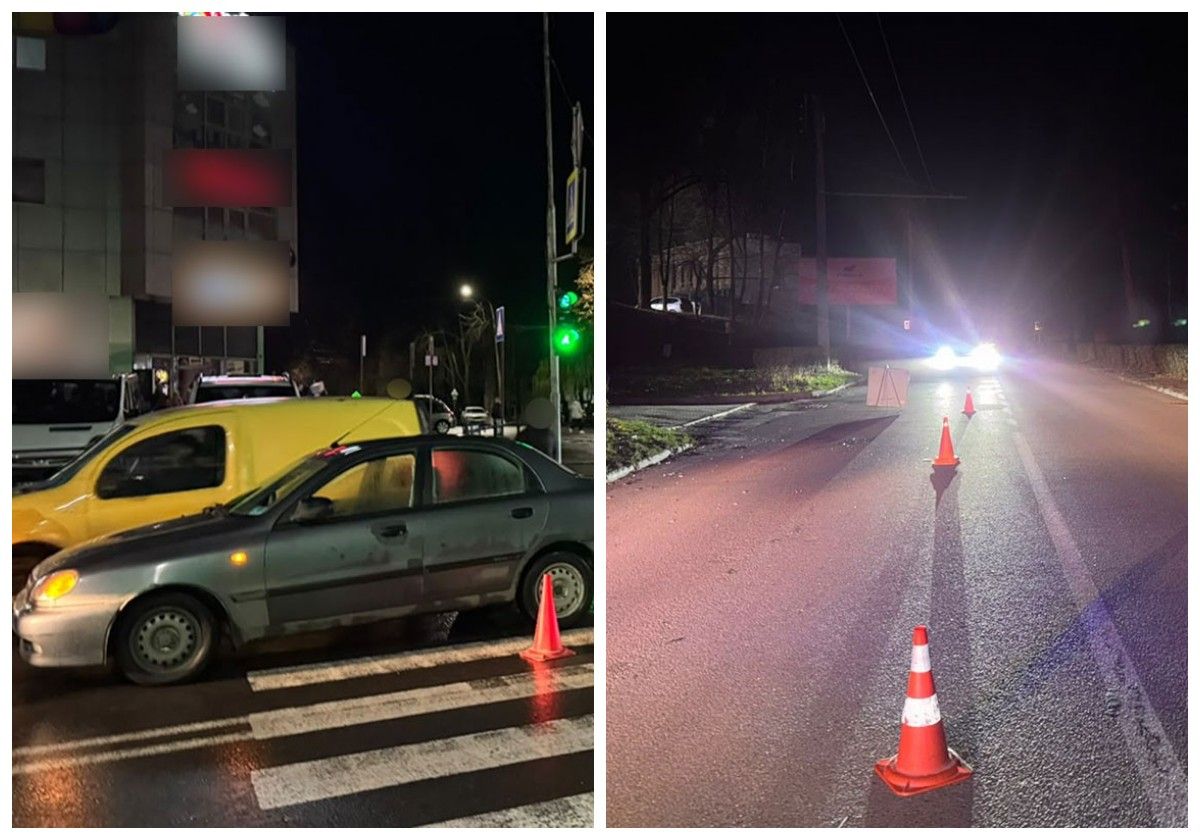
Two pedestrian accidents reported in Ternopil within days
Two traffic accidents involving injured pedestrians have been recorded on the streets of Ternopil over the past few days. Both victims were hospitalized for medical care.
An Opel passenger car caught fire while driving in Bukovina
An Opel car suddenly caught fire while moving in the village of Nepolokivtsi, Chernivtsi region. Prompt actions of the driver and local firefighters helped to extinguish …
 🏙️City
Snowstorms and Freezing Temps: Winter Weather to Hit Ukraine This Week
Ukraine faces a sharp drop in temperatures alongside rain and snow over the coming days. The western region will experience significant precipitation early in the week an…
 💡Tech
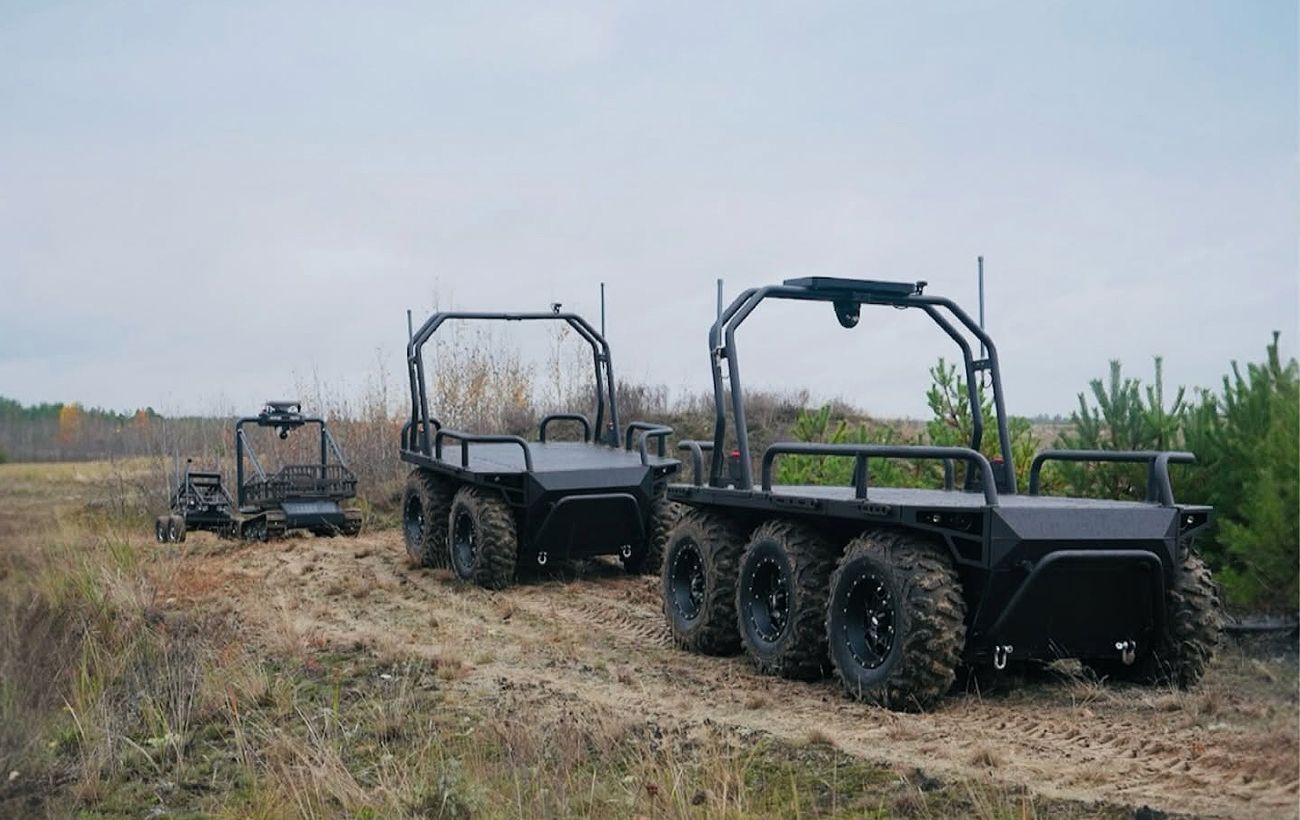
Ground robots in the Ukrainian army: why wheeled platforms are winning on the frontline
An analysis of modern unmanned ground vehicles shows that wheeled platforms are gaining popularity among the military due to easier maintenance, higher speed, and energy …
 🛡️Security
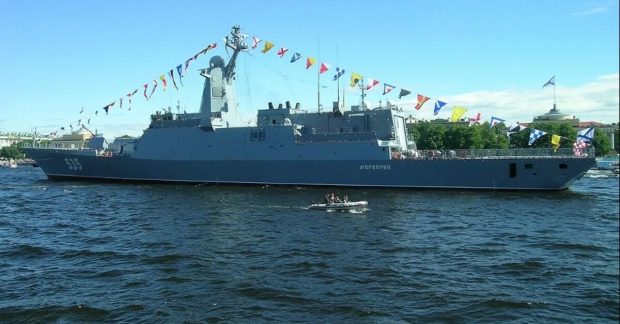
Destruction of Russian Corvette in Libya: Details of Ukraine’s Operation
The Institute for the Study of War and Ukrainian security services have detailed a special operation near the coast of Libya, targeting a Russian warship and logistical v…